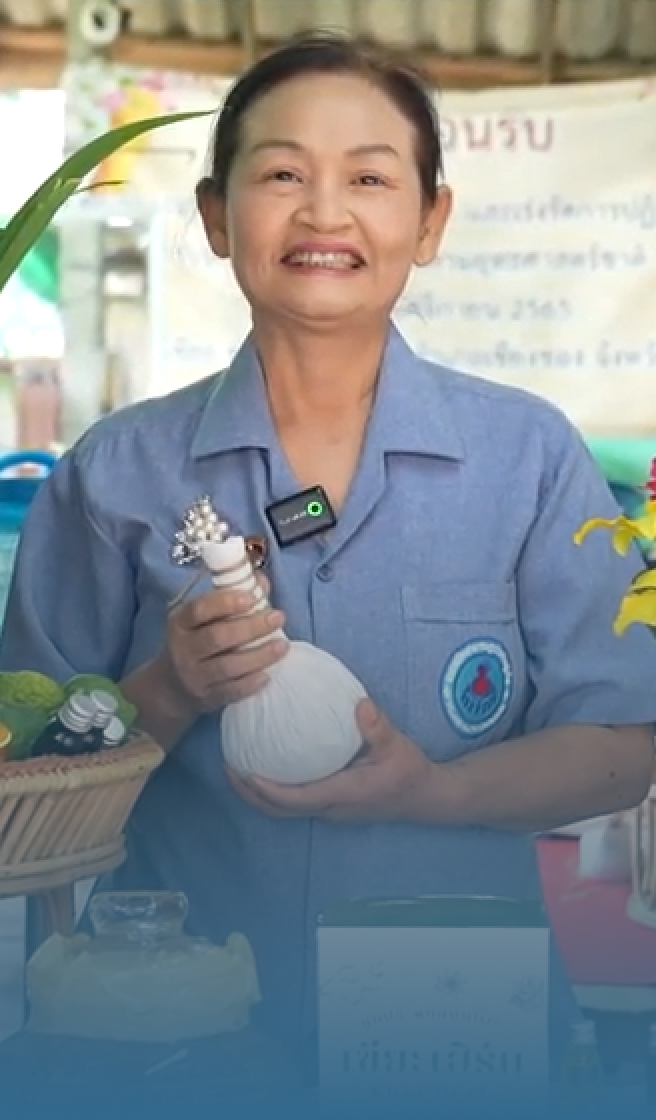
Creating Safe Spaces for Women in Thailand’s Deep South
One thing I kept hearing while working in the field was: “Men discuss politics and solve problems at tea shops.” But where can women go? Just around the village?
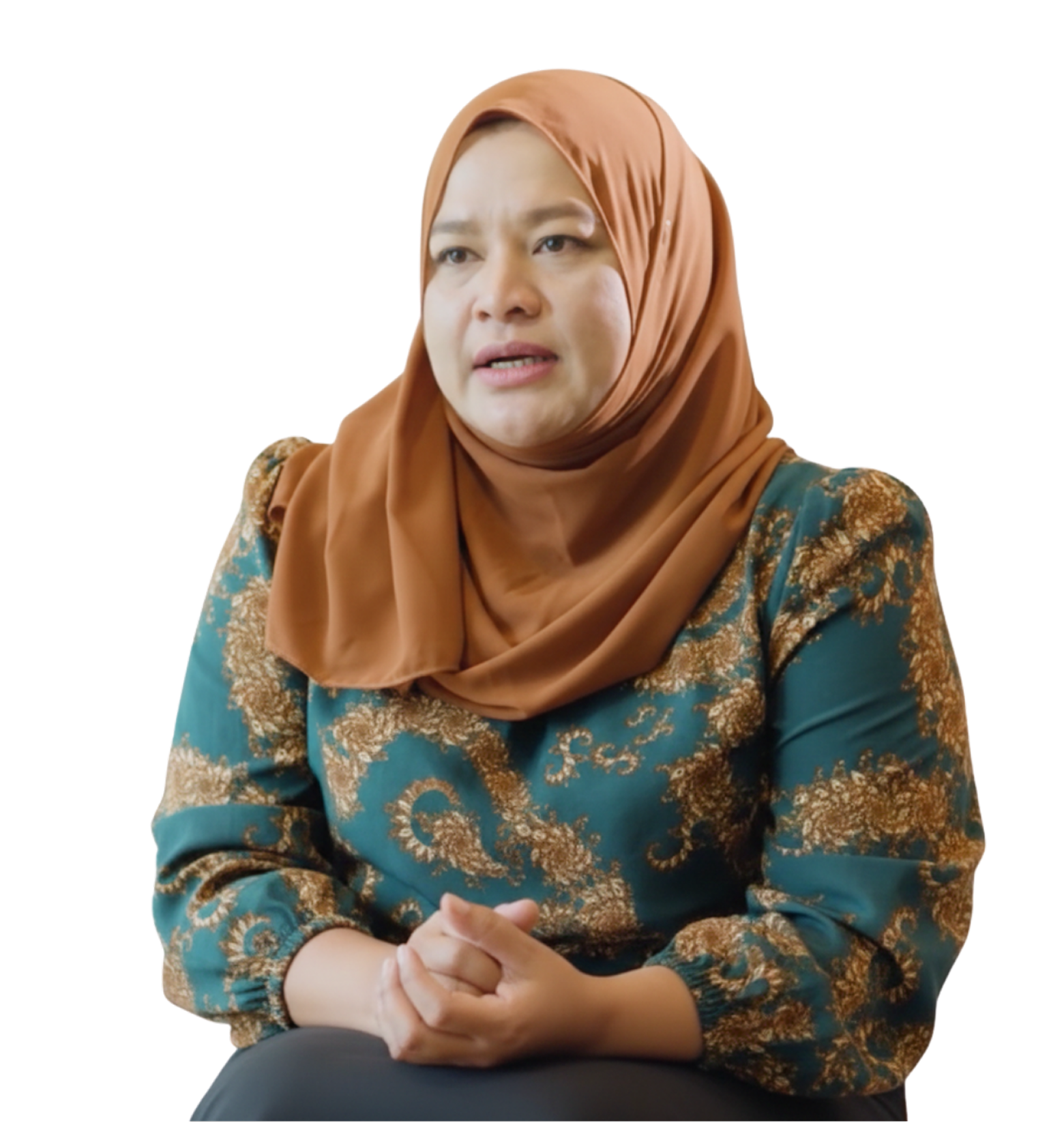
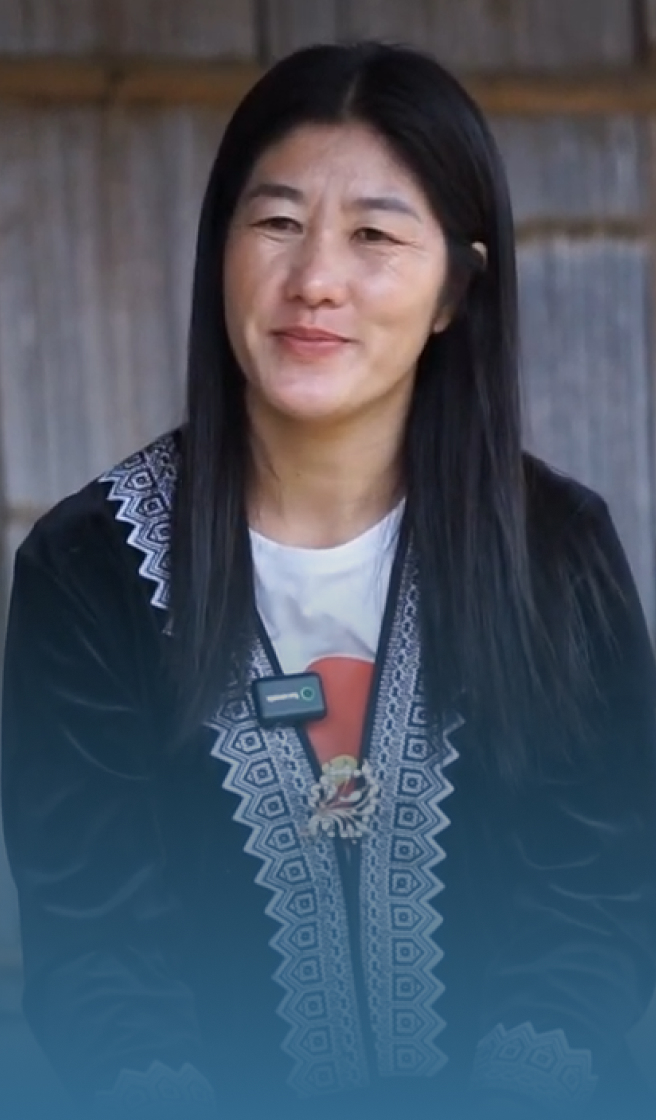
Pateemoh Poh-itaeda-oh
Founder of We Peace Association and WPS Coffee, Mueang District, Yala Province
What Happens Now?
In a region still shaped by decades of low‑intensity conflict and social exclusion, women’s voices often go unheard.
In the three southern border provinces — Pattani, Yala and Narathiwat — women are disproportionately burdened by indirect consequences of conflict, such as loss of family members and disrupted livelihoods.1
Community enterprises and micro-businesses are growing across the area, with more than 74,000 registered sole-proprietorships in recent years — helping to create sustainable incomes at the village level.2
According to a scoping report on Yala Province, of the estimated 200,000 people living in some remote village zones, 55% are women.3
In Thailand’s deep south — especially in provinces like Yala Province — women often find themselves with no designated space to gather, talk, or exchange their thoughts. Many of the community cafés and meeting spots seen elsewhere
are designed by and for men.
Challenges We Face
“ There was no consistent space where women could gather, talk, or exchange ideas. So we thought—why not open a café? A place where women could come together. ”
Determined to change this, Pateemoh founded the We Peace Association and WPS Coffee in Mueang District, Yala.
1 / 2
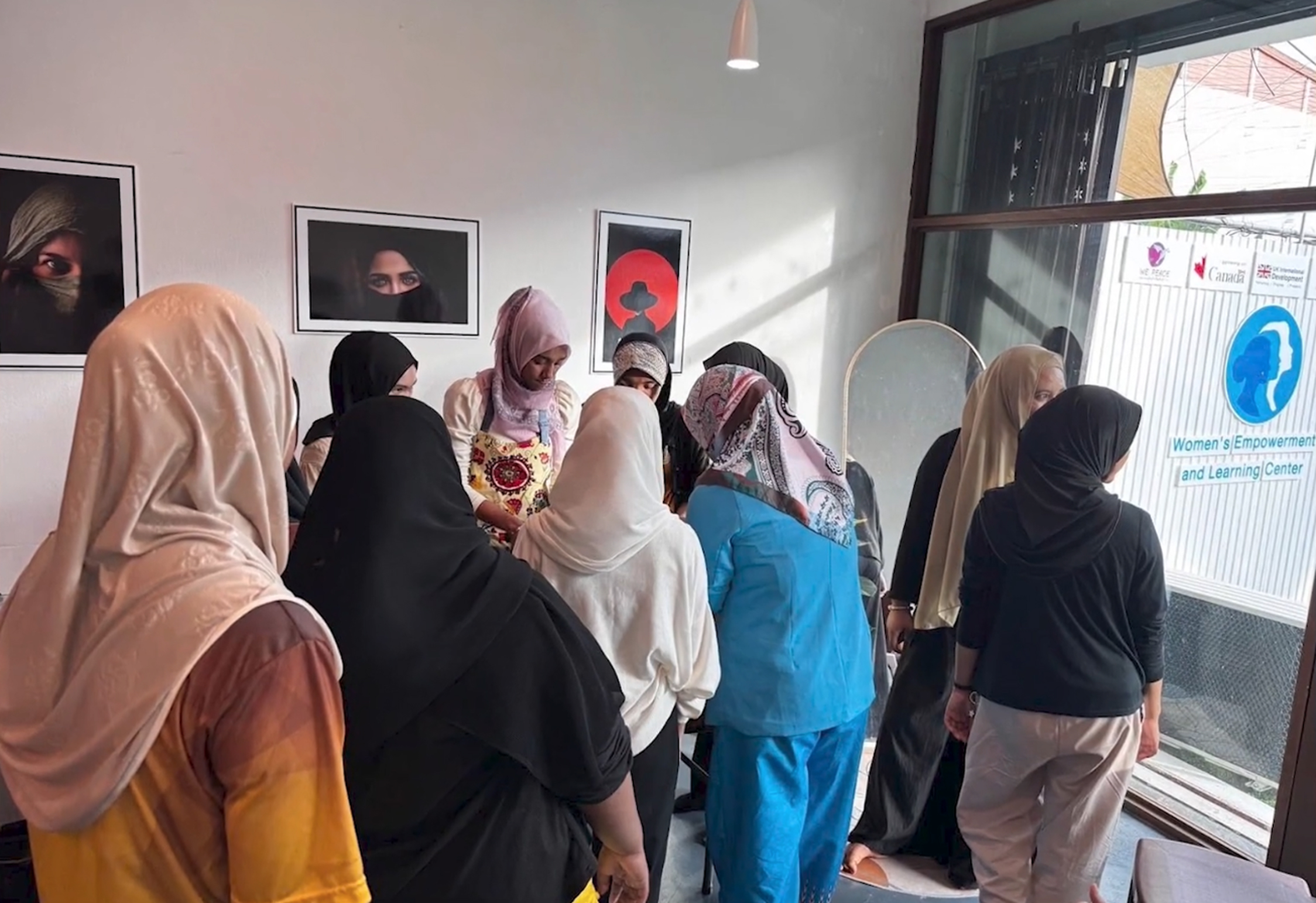
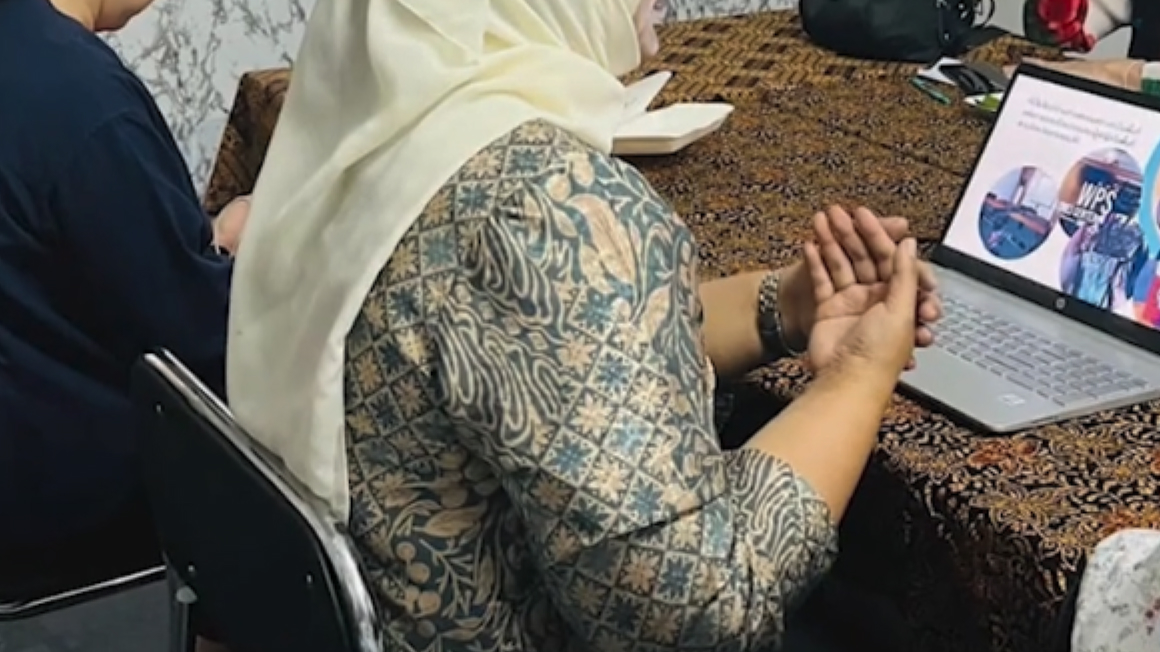
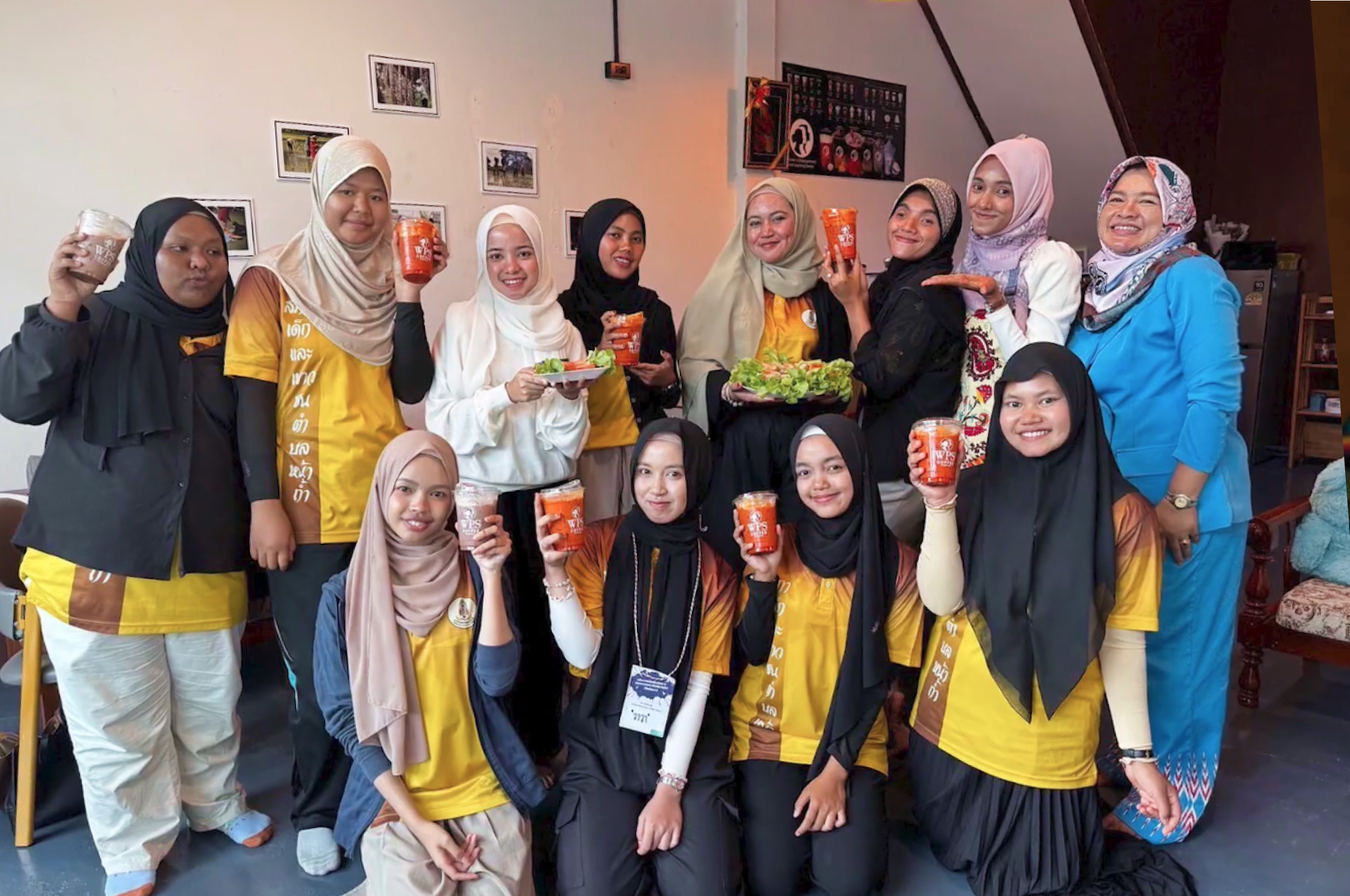
The café she created is more than just a place for coffee — it’s a free, welcoming space where women can gather to share ideas, attend workshops, build networks, and support one another.
“ Our café isn’t just about drinking coffee. We also want a space for meetings, workshops, and empowerment activities for other women. All completely free of charge. ”
Pateemoh’s vision reflects this momentum. She recognized that by creating a “safe space”, women could become entrepreneurs, community leaders and catalysts for local development
not only for themselves but for their families and neighbours.
Through WPS Coffee, women in Yala are now reclaiming their voice: organising workshops, sharing business ideas and breaking the pattern of being invisible actors in peace and economic activities. In doing so, Pateemoh and her peers are showing that sustainable development and peace begin when all members of the community
are given space to talk, learn and grow together.
What They Already Have
Local Resources and Marketable Products
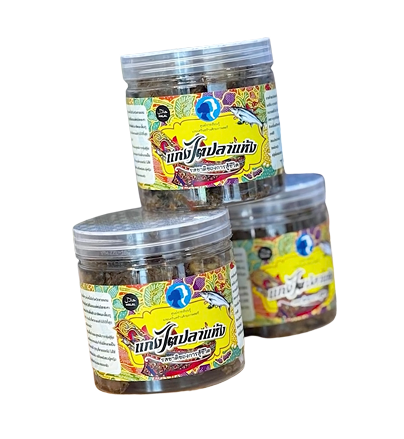
The community produces unique local goods such as dried fish intestines, herbal drinks, and traditional snacks, which hold both cultural and economic value. These products can be developed and marketed to create additional income streams, attracting local and tourist customers.
Local Knowledge and Skills
Women already have experience managing households, organizing informal networks, and supporting each other.
Community Networks and Social Trust
The women know each other and share trust built over years of living in the same villages.
Alignment with Broader Policy and NGO Support
National policies on women’s empowerment, community enterprises, and local development create potential access to grants, training programs, and partnerships.
What They Need
Marketing and Business Development
Training in branding, digital marketing, and sales strategies to reach broader markets beyond the village. Support in connecting with local and regional fairs, e-commerce platforms, and potential buyers.
Community Awareness and Social Support
Cultural and social support and engagement with male community members to build acceptance of women-led initiatives without stigma.
Safe and Inclusive Spaces
Continued access to physical spaces like WPS Coffee for gatherings, workshops, and networking and support in creating engagement in other villages to reach more women for more inclusiveness.
Which issue or policy do you think should be addressed as a priority?
Gender Equality and Women's Empowerment
Thailand's Gender Equality Act (2015) promotes equal rights for women, but in practice, rural women—especially in conflict-affected areas like Yala—face barriers to participating in decision-making, economic activities, and community leadership.
Your vote is counted.
0%
voted this one
Community Development and Rural Economy
Policies supporting community enterprises exist, but women in marginalized southern provinces often lack access to training, funding, or networks to scale up their initiatives.
Your vote is counted.
40%
voted this one
Peacebuilding and Social Inclusion
The southern border provinces have faced decades of low-intensity conflict. Government policies on peacebuilding and reconciliation emphasize community cohesion but often overlook the role of women as active participants in local decision-making.
Your vote is counted.
20%
voted this one
Access to Education and Capacity-Building Programs
National and provincial programs aim to provide vocational training and skill-building, yet women in remote or conflict-affected areas have limited access.
Your vote is counted.
0%
voted this one
Enabling the One Tambun One Product (OTOP)
Entrepreneurial capacity building programs like One Tambun One Product (OTOP) was rolled into the region in a lukewarm manner and had a poor take-up at the time. The region didn't get the full advantages of the government focus on community development over the last two decades, due to focus on resolving the insurgency issue.
1. Panjor, F., & Jangoe, N. (2021). Local Women and Peacebuilding in Thailand’s Deep South: Perspectives from the Peace Survey. ASEAN Institute for Peace and Reconciliation. Retrieved from https://www.asean-aipr.org/media/library/2cd4e8a2ce081c3d7c32c3cde4312ef7.pdf
2. The Rise of Community and Micro‑Enterprises in Thailand’s Deep South: Analysis. (2021, December 01). Eurasia Review. Retrieved from https://www.eurasiareview.com/01122021-the-rise-of-community-and-micro-enterprises-in-thailands-deep-south-analysis/
3.International Organization for Migration Thailand. (n.d.). Homepage. Retrieved from https://thailand.iom.int
Manage Consent
Cookies help us give you a better experience on this site. They let us remember your settings and learn which pages are useful. You choose what to allow, and you can change your mind at any time.
Functional
Always active
The technical storage or access is strictly necessary for the legitimate purpose of enabling the use of a specific service explicitly requested by the subscriber or user, or for the sole purpose of carrying out the transmission of a communication over an electronic communications network.
Preferences
The technical storage or access is necessary for the legitimate purpose of storing preferences that are not requested by the subscriber or user.
Statistics
The technical storage or access that is used exclusively for statistical purposes.The technical storage or access that is used exclusively for anonymous statistical purposes. Without a subpoena, voluntary compliance on the part of your Internet Service Provider, or additional records from a third party, information stored or retrieved for this purpose alone cannot usually be used to identify you.
Marketing
The technical storage or access is required to create user profiles to send advertising, or to track the user on a website or across several websites for similar marketing purposes.