Navigating Patriarchy and Preserving Ethnic Identity through Hmong Embroidery
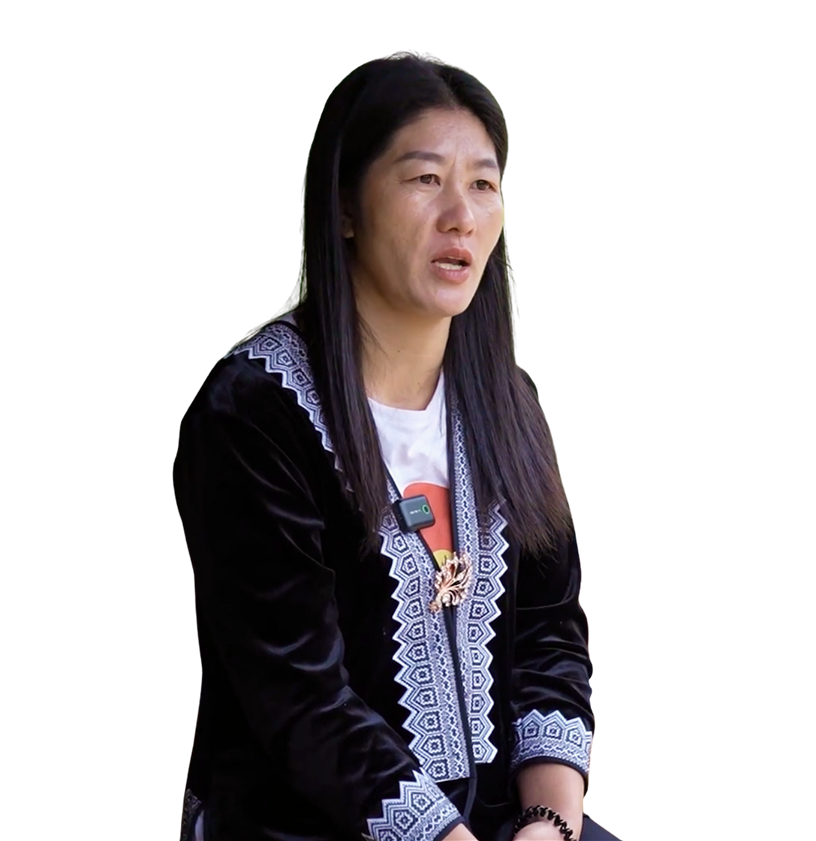
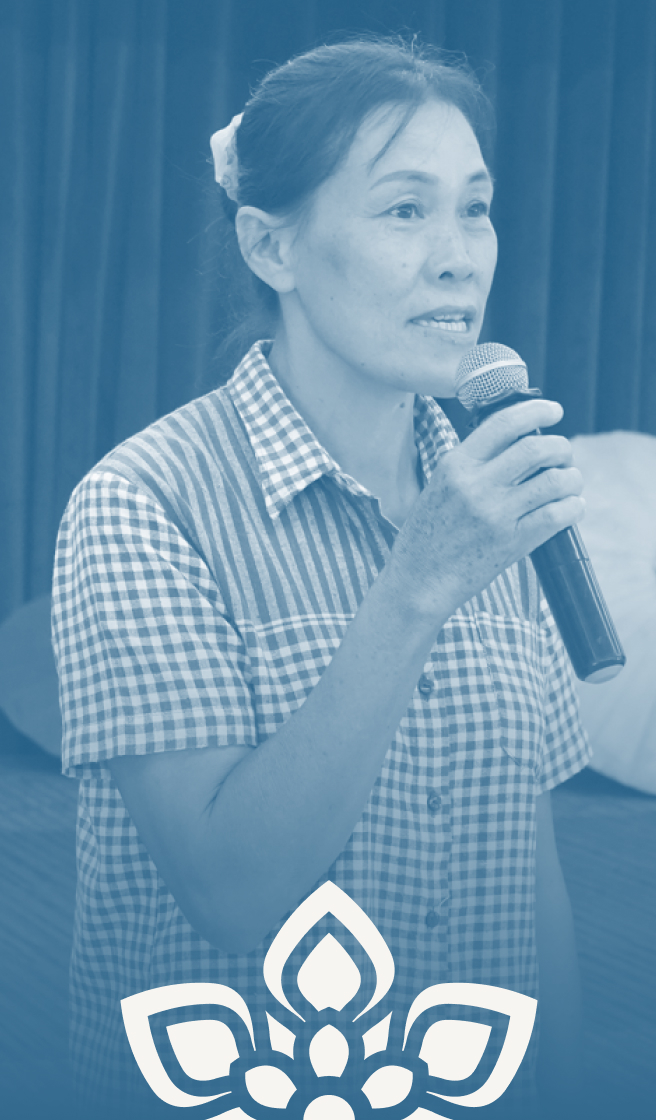
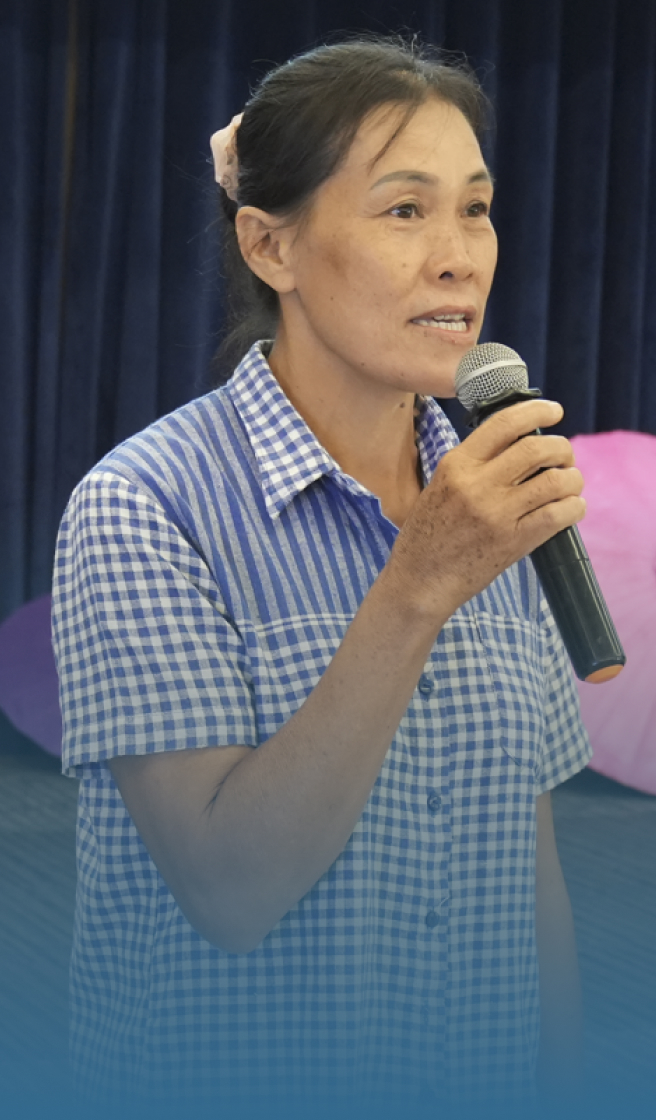
I wanted to study more; my parents didn’t allow it because I was a girl. After finishing school, there wasn’t much for me to do — most of us were expected to get married and live with our husband’s family, not our own parents. Even if we worked, the money wouldn’t go to our parents. What they said was true, but deep down, I still wanted to study.
Nongluk Yanghansirikun
President of the Kiew Doi Luang Hmong Embroidery Group, Chiang Khong District, Chiang Rai Province
What Happens Now?
Traditionally, Hmong culture in Thailand has confined women to domestic duties, expecting them to focus on homemaking and childcare while limiting their opportunities for education and participation in public life, reflecting a male-dominated social structure.
There are more than 200,000 Hmong people1 living in Thailand across 20 provinces.
The Hmong people first migrated in Thailand around 1889, entering through Laos into Chiang Khong District, Chiang Rai Province, and Thung Chang District, Nan Province.2
The Hmong people primarily work in agriculture as their main occupation, but some serve in government positions, run businesses, work as activists and academics, or take on general labor jobs.
Even patriarchy culture is commonly observed among the Hmong ethnic group. However, due to the economic downturn,
many Hmong men in Nongluk’s village have had to migrate to Israel for labor work.
Challenges We Face
“ In my village, there was only me and another girl who went to boarding high school in Ayutthaya and no other Hmong women from Chiang Rai because it was too far. I was scared too; I had never traveled that far before … ”
“ … when I came home, people saw that I was doing well living there. My parents had never sent me money, and yet when I came back, I even brought home income for them. That’s when they started to support me. ”
1 / 2
This situation has compelled women to step up as heads of their households. They are not only responsible for caring for their children, but also for their husband’s family. In addition, they take on agricultural work, which remains the primary livelihood sustaining their families.
“ After marriage, we lose much of our personal freedom. We’re expected to live under rules imposed by men. ”
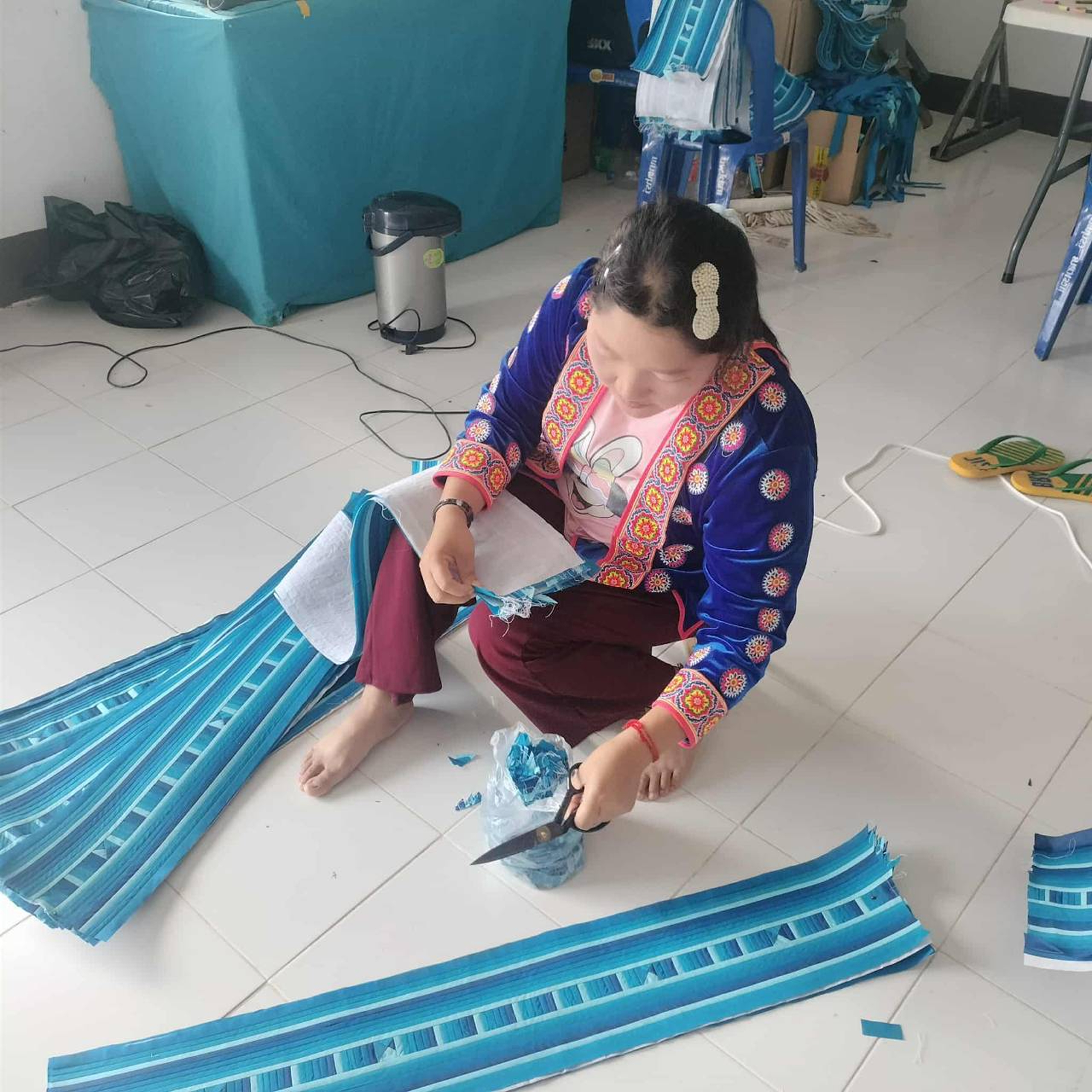
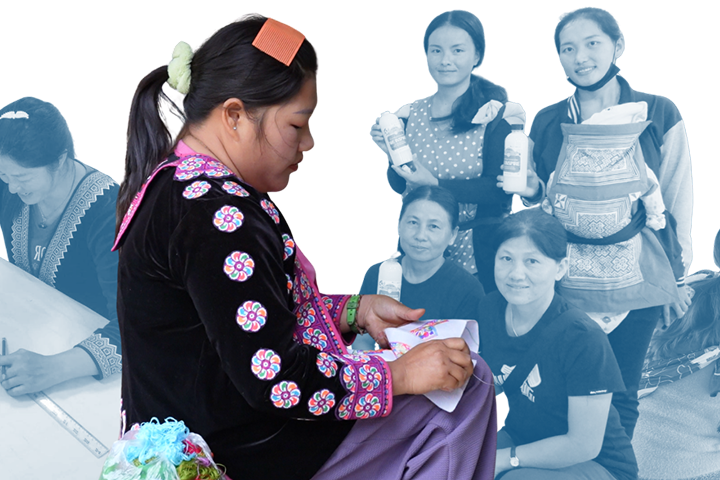
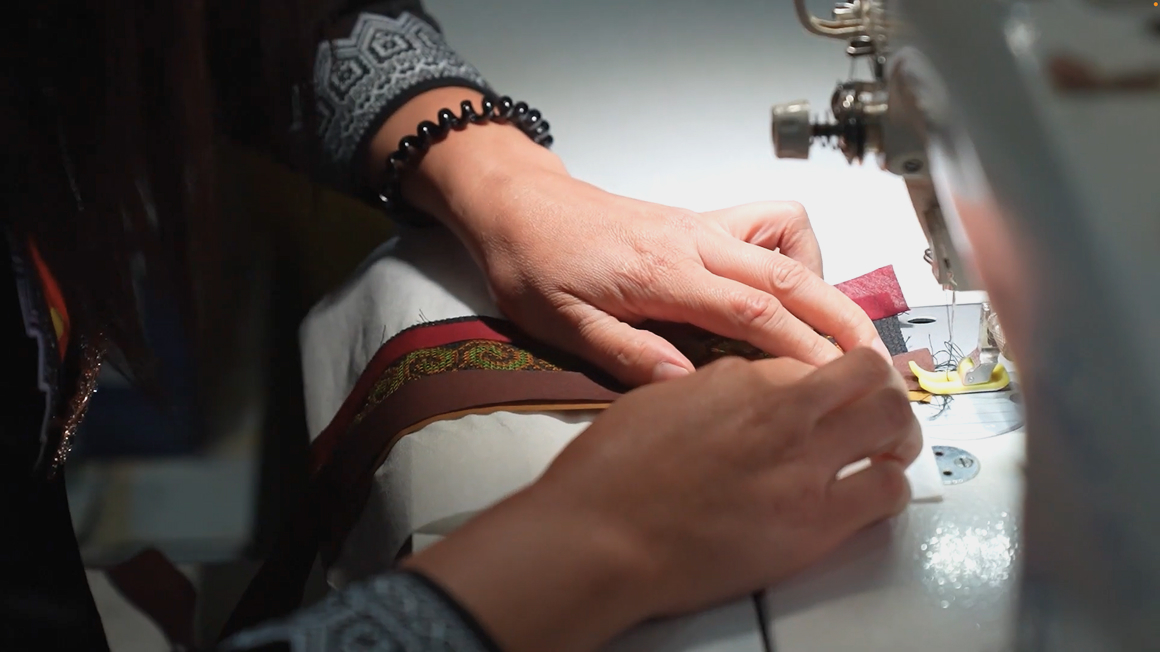
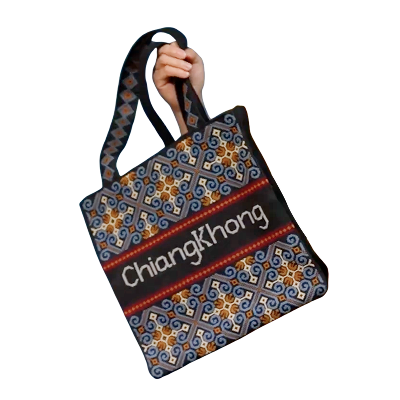
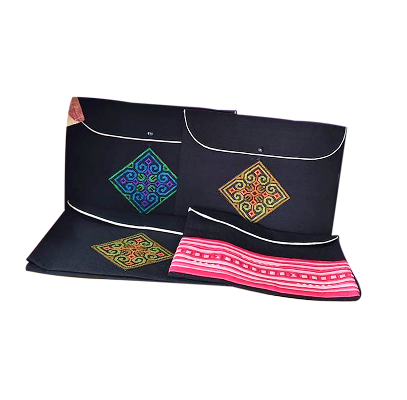
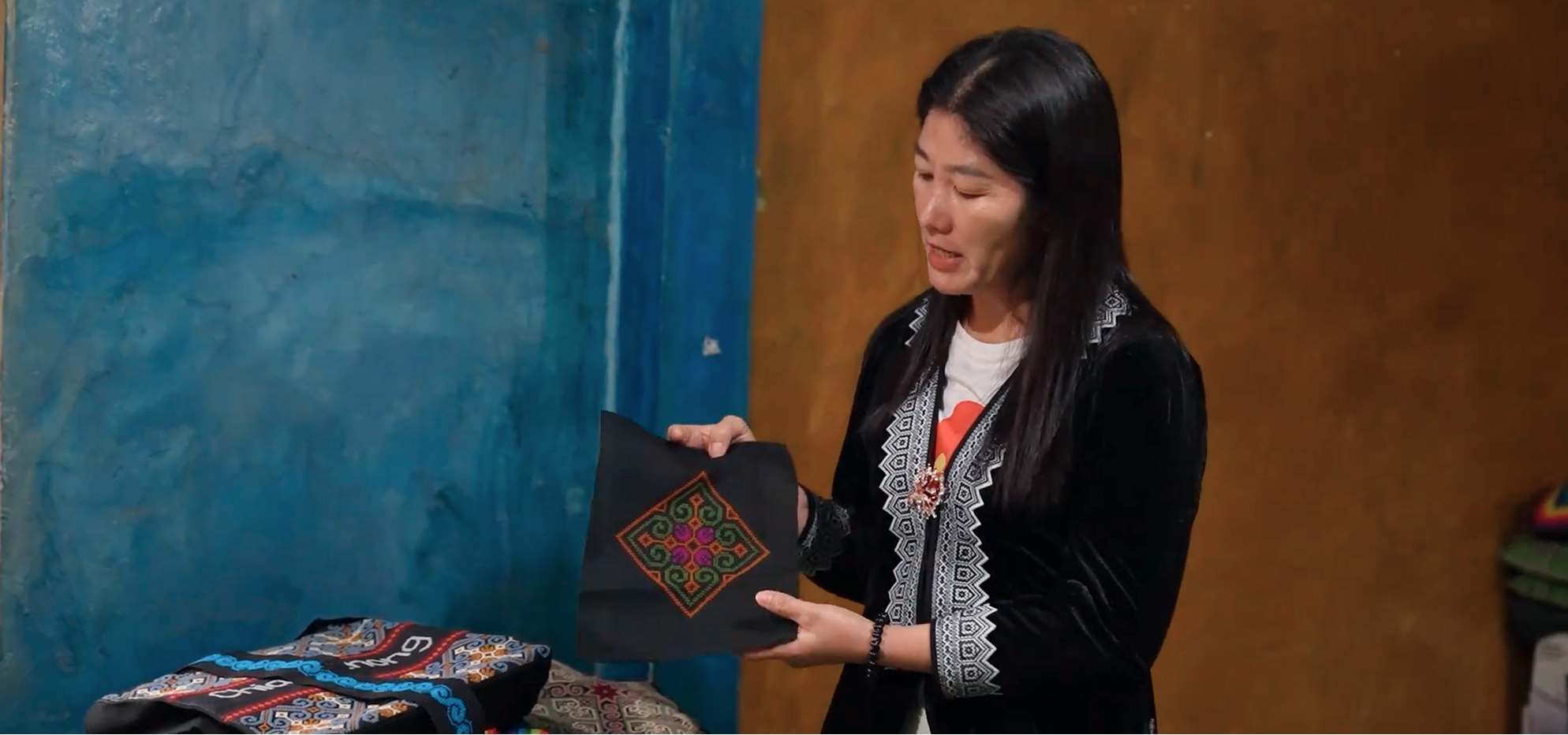
So we started doing supplementary work like embroidery and sewing bags, to earn extra income for our families ...
“ … When we earn our own income, it can help reduce domestic violence—at least to some extent. ”
These Hmong families preserve traditions, pass down wisdom, and work hard to build better futures. Their resilience and contributions are essential to Thailand’s cultural richness and to creating
stronger, more sustainable communities.
What They Already Have
Traditional Skills and Cultural Knowledge
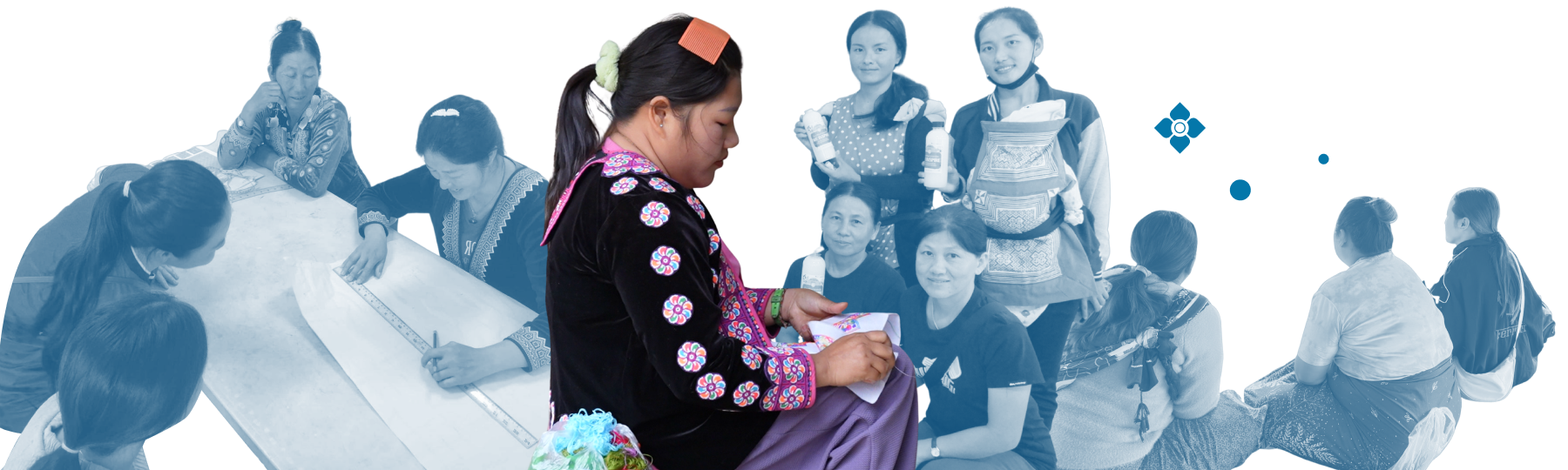
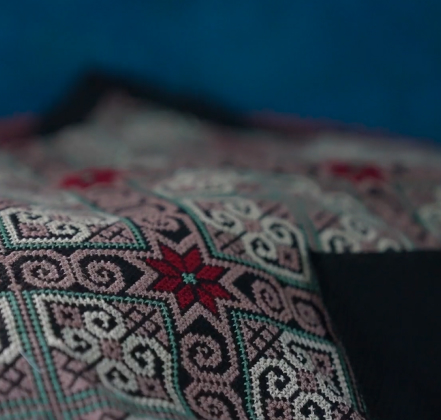
Hmong women possess valuable craftsmanship skills such as embroidery and sewing, contributing to cultural preservation and income opportunities.
Demonstrated Leadership Potential
Women are already stepping into leadership roles within families and communities when men migrate for work.
Emerging Social Recognition
Families and communities are beginning to acknowledge and support women’s capability—especially when they contribute financially.
What They Need
Greater Access to Education and Learning Opportunities
To empower women to continue formal and informal learning despite cultural barriers.
Economic Empowerment Tools
Including training, financial literacy, access to markets, entrepreneurship support, and technology skills to scale their income.
Social and Cultural Acceptance of Women's Leadership
Community mindset changes to support women not only in economic roles but also in decision-making and community leadership.
Income Security and Livelihood Diversification
To reduce economic pressure and dependence — especially as women increasingly support households when men migrate.
Which issue or policy do you think should be addressed as a priority?
Gender Inequality in Education
Cultural norms and patriarchy limit girls' access to education and career opportunities, especially among ethnic minority groups like the Hmong.
Your vote is counted.
58%
voted this one
Limited Opportunities for Female Entrepreneurship
While women are taking on supplementary work like embroidery and sewing to earn income, they face barriers in accessing markets, training, and financial resources.
Your vote is counted.
17%
voted this one
Social Norms and Domestic Power Dynamics
Women's freedom and decision-making are constrained by patriarchal expectations, which can affect safety, income control, and overall well-being.
Your vote is counted.
8%
voted this one
Women's Economic Empowerment Initiatives
Programs by the Ministry of Social Development and Human Security (MSDHS) and OTOP aim to support female entrepreneurship, craft development, and market access, but small-scale producers still face gaps in training and financial support.
1. Department of Social Development and Welfare, Ministry of Social Development and Human Security. (2016). Highland Community Directory: Ethnic Groups in Thailand. Retrieved from https://hhdclampang.anamai.moph.go.th:8080/hhdcdashboard/ethnics
2. North Thai Ethnic Folk Media. (n.d.). Basic information – Hmong ethnic group. Retrieved from https://www.north-thai-ethnic-folkmedia.org/
Manage Consent
Cookies help us give you a better experience on this site. They let us remember your settings and learn which pages are useful. You choose what to allow, and you can change your mind at any time.
Functional
Always active
The technical storage or access is strictly necessary for the legitimate purpose of enabling the use of a specific service explicitly requested by the subscriber or user, or for the sole purpose of carrying out the transmission of a communication over an electronic communications network.
Preferences
The technical storage or access is necessary for the legitimate purpose of storing preferences that are not requested by the subscriber or user.
Statistics
The technical storage or access that is used exclusively for statistical purposes.The technical storage or access that is used exclusively for anonymous statistical purposes. Without a subpoena, voluntary compliance on the part of your Internet Service Provider, or additional records from a third party, information stored or retrieved for this purpose alone cannot usually be used to identify you.
Marketing
The technical storage or access is required to create user profiles to send advertising, or to track the user on a website or across several websites for similar marketing purposes.